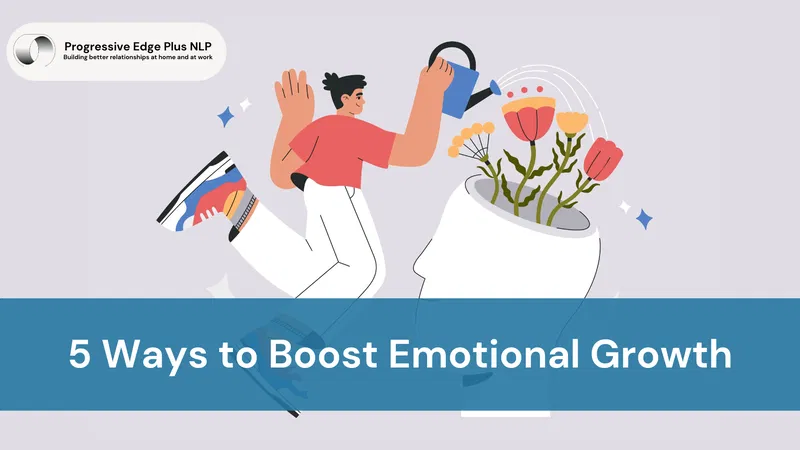
Growing into your fullest self with heart, awareness, and intention
Emotional growth—often called emotional maturity—is the courageous journey of understanding your feelings, honouring them, and using that awareness to guide your life in a healthy, empowered way. It’s not about being perfect or always calm. It’s about knowing yourself deeply, responding with thoughtfulness rather than reaction, and navigating life with compassion for both yourself and others.
Emotionally mature people handle challenges with steadiness. They communicate openly and respectfully. They recognize when they need support, rest, or healthy boundaries. And they understand how their emotions influence their relationships, decisions, and overall well-being.
This level of awareness doesn’t just strengthen personal relationships; research consistently shows that emotional maturity is one of the strongest predictors of success in leadership, teamwork, and life satisfaction. In today’s world, emotional growth is just as important—perhaps even more important—than traditional intelligence.
Here are five powerful ways to nurture emotional growth and support your journey toward greater resilience, connection, and fulfillment.
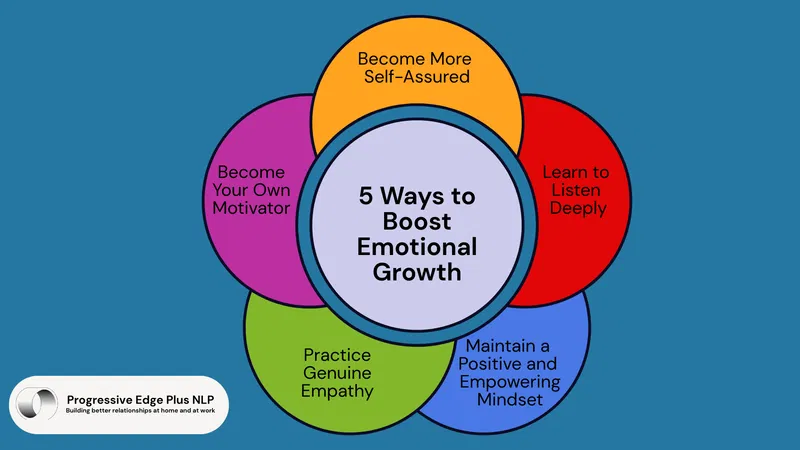
1. Become More Self-Assured
Emotional maturity begins with healthy self-respect. When you feel grounded and confident in who you are, you can speak your truth with clarity and kindness. Being self-assured does not mean being forceful; it means honoring your values and expressing your needs without diminishing anyone else.
Emotionally mature individuals communicate with honesty and calm strength. They avoid passivity, which can silence their needs, and they avoid aggression, which can harm relationships. Instead, they choose assertiveness—a balanced, respectful way of expressing their inner world.
When you communicate from your heart, you naturally invite others to meet you with the same respect and authenticity.

2. Learn to Listen Deeply
Hearing is automatic; listening is intentional.
Deep listening means slowing down enough to truly take in someone else’s words, tone, emotions, and body language before forming your response. It requires presence. It requires compassion. And it requires the willingness to understand rather than simply react.
Most people listen only long enough to plan their reply. Emotional growth invites you to listen to understand.
When you refine this skill, misunderstandings decrease, trust strengthens, and your relationships become more meaningful and connected.

3. Maintain a Positive and Empowering Mindset
Your thoughts create the lens through which you experience the world. A positive mindset does not mean ignoring challenges—it means choosing empowerment over helplessness.
Life gives all of us moments we cannot control: traffic jams, delays, unexpected stress, or disappointments. But emotional maturity allows you to respond rather than react.
You might choose to reset your mood with a deep breath. Or write a quote that lifts your spirit. Or take a short walk to reconnect with your heart.
These small acts of self-care help you stay aligned with your values, preserve your energy, and cultivate emotional balance.
4. Become Your Own Motivator
Emotionally mature people understand that true motivation comes from within. They don’t wait for external praise or perfect circumstances—they create momentum by honouring their goals and taking consistent action.
Self-motivation grows from clarity, resilience, and a belief in your own capabilities. It’s about:
- Setting meaningful goals
- Following through even when challenges arise
- Encouraging yourself with compassion, not pressure
- Growing from setbacks rather than being defined by them
When you become your own encourager, you strengthen both your confidence and your

5. Practice Genuine Empathy
Empathy is one of the most powerful expressions of emotional growth. It allows you to connect with others on a deeper level, honouring their experiences as well as your own.
True empathy requires courage—it asks you to look honestly at your own emotions so you can better understand the emotions of others. Once you move past the initial vulnerability, empathy becomes liberating and deeply empowering.
It creates bridges where there were once barriers. It strengthens relationships through compassion and trust. And it reminds you that, despite differences, we are all human beings seeking understanding and connection.

A Final Reflection
Emotional growth is the heart’s journey toward wisdom. It is the ongoing practice of being aware of your feelings, noticing how they influence your actions, and choosing responses that align with your highest self.
As you expand your emotional maturity, you’ll find that you:
- Understand yourself more clearly
- Communicate with greater effectiveness
- Navigate conflict with calm strength
- Build deeper, more meaningful relationships
- Feel more grounded, capable, and empowered
Emotional growth is not a destination—it is a lifelong path of self-awareness, compassion, and intentional transformation.
By nurturing this growth, you open the door to a life filled with deeper fulfillment, healthier relationships, and a greater sense of inner peace and purpose.