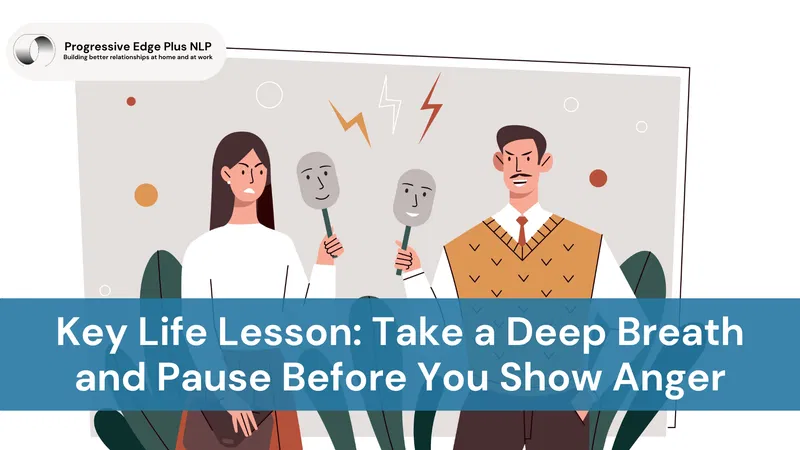
How to reclaim your calm, protect your relationships, and respond with emotional wisdom
We all have moments when anger surges so fast and so fiercely that it feels impossible to contain. One minute you’re fine — the next, something triggers you, and before you realize what’s happening, sharp words fly, emotions spill over, and regret instantly follows.
Every one of us has been there.
Anger is a natural human emotion. It arises when we feel hurt, misunderstood, disrespected, or overwhelmed. But while anger can be valid, reacting from it rarely serves us. The damage it causes — to relationships, trust, communication, and self-respect — is often far greater than the original issue.
This is why one of the most powerful life lessons we can learn is this:
**Take a deep breath.
Pause. Then choose how you want to respond.**
This simple act — breathe, pause, reflect — can change the entire trajectory of a moment, a conversation, and even a relationship.
Let’s explore why anger feels so uncontrollable, how pausing rewires your response, and what tools you can use to strengthen your emotional resilience.

Why Anger Feels Hard to Control
Anger is a “hot” emotion — intense, fast, and often overwhelming. When something pushes your emotional buttons, your brain activates the fight-or-flight response. This ancient survival mechanism floods your body with adrenaline and stress hormones designed to help you act quickly in a life-threatening situation.
But in everyday life — during a disagreement with a partner, a rude comment at work, or a stressful moment with your child — this reaction works against you.
Your body’s automatic response might include:
- Racing heart
- Shallow breathing
- Tense muscles
- Narrowed focus
- Urgent impulses to “fight back”
This biological surge can make rational thought nearly impossible.
That’s why anger often feels like something that happens to us before we have a chance to choose our response.
But here’s the empowering truth:
You can learn to interrupt the automatic reaction and regain control.
Your breath, your awareness, and your pause are the key.

How to Slow Down Your Anger Response
Practical steps to help you respond wisely rather than react impulsively.
1. Step Away from the Trigger
Before you speak, act, or react, remove yourself physically — even for 30 seconds.
You might say:
- “I need a minute.”
- “Let me step away so I can talk about this calmly.”
- “I’ll be right back.”
This isn’t avoidance. It’s emotional responsibility.
Distance gives your nervous system a chance to settle.
2. Breathe Slowly and Deeply
Your breath is your most powerful emotional regulator.
Try this:
- Inhale through your nose for a count of 4
- Hold for 2
- Exhale slowly through your mouth for 6
- Repeat for 60–90 seconds.
This simple pattern tells your brain:
“I am safe. I don’t need to react. I can think clearly.”
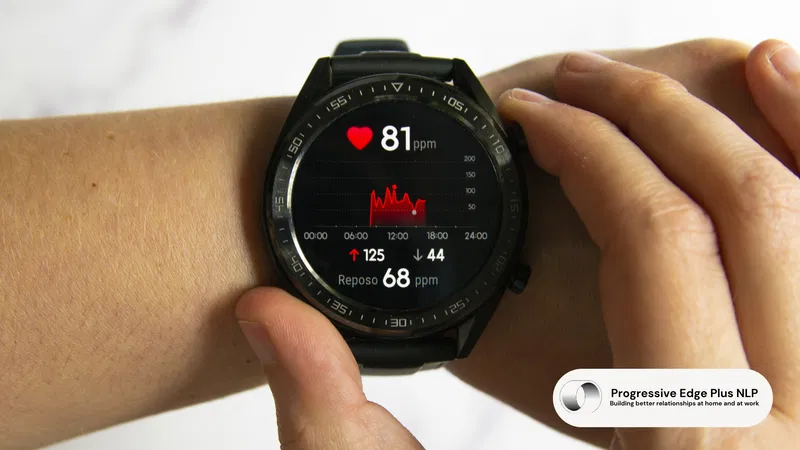
Your heart rate slows. Your thinking shifts from survival mode to clarity mode. Your emotional temperature cools.
3. Name What You’re Feeling
Awareness dissolves emotional chaos.
Instead of “I’m so angry,” try naming the emotion beneath the anger:
- “I feel hurt.”
- “I feel dismissed.”
- “I feel overwhelmed.”
- “I feel unheard.”
Anger is almost always a secondary emotion sitting on top of something softer and more vulnerable.
Naming it brings clarity and steadiness.
4. Explore What Triggered You
Ask yourself:
- What exactly triggered me?
- Why did that hit me so deeply?
- Is this reaction about the current moment or something from the past?
- What do I need right now?
This reflection helps you respond from empowerment rather than emotional intensity.
5. Choose Your Response Intentionally
Once you’ve paused and breathed, you are now able to choose a response aligned with who you want to be — not just how you felt in one heated moment.
You might:
- Set a boundary
- Ask for clarity
- Share your feelings calmly
- Express what you need
- Decide to address the issue later when both people are grounded
This is emotional maturity in action.

Five Tools You Can Use to Manage Anger Wisely
Tool 1: The 90-Second Rule
Emotions naturally peak and begin to fade within 90 seconds — if you don’t feed them with thoughts. Breathe deeply and let the wave pass before acting.
Tool 2: The “Heart Check-In”
Place your hand on your heart and ask:
“What does my heart want me to do right now?”
This shifts you from reaction to compassion.
Tool 3: Grounding Techniques
Use a grounding method such as:
- Feeling your feet on the floor
- Touching a cool surface
- Naming five things you can see
- Putting both hands on your belly
These bring you back to the present.

Tool 4: The Pause Phrase
Use a phrase that helps you interrupt the reaction:
- “Let me gather my thoughts.”
- “Give me a moment.”
- “I want to respond, not react.”
This gives you emotional space.
Tool 5: Breathwork for Anger Release
Try the “Sighing Breath”:
Inhale deeply
Exhale with an audible sigh Repeat 3–5 times
This releases emotional pressure and resets your nervous system.
A Gentle Closing Reminder
You are human. You will feel anger. You will have moments when emotions run high.
But learning to breathe, pause, and choose your response is one of the most powerful tools for personal growth, emotional wellbeing, and healthy relationships.
This simple practice:
- protects your heart
- strengthens your communication
- nurtures trust
- and helps you stay aligned with the person you want to be
Every pause is an act of emotional intelligence. Every deep breath is a return to your true self. And every intentional response is a step toward a more peaceful, fulfilling life rooted in compassion and integrity.