How to transform setbacks into strength, wisdom, and personal growth
Failure is uncomfortable. It can sting, create shame, and shake your confidence. Yet every human being — regardless of success, talent, or skill — experiences moments where things simply do not unfold the way they hoped. What determines your long-term success and well-being isn’t whether you fail… but how you meet yourself in those moments.
The truth is this:
**Failure is not the opposite of success.
Failure is part of the path toward success.**
When you shift your relationship with failure from fear to curiosity, you begin to uncover the extraordinary wisdom hidden inside every setback. This shift allows you to grow emotionally, mentally, spiritually, and professionally.
Let’s explore why failure can be such a powerful teacher — and practical tools you can use to turn any fall into a stepping stone forward.
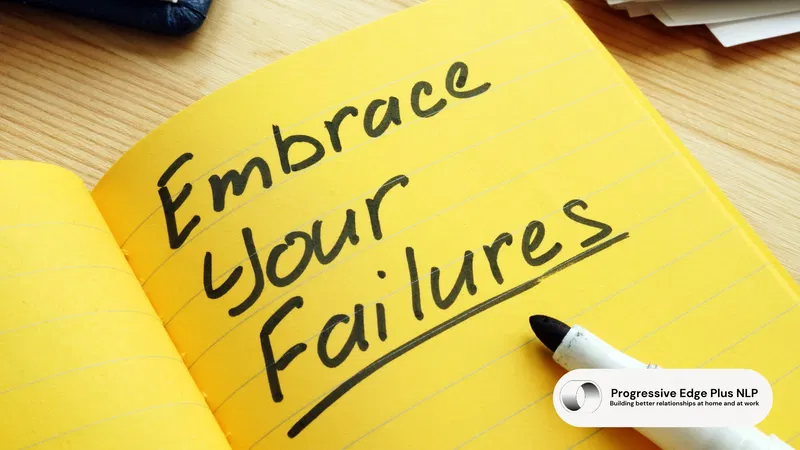
Why Failure Can Be One of Life’s Greatest Teachers
When you fail, hindsight often feels harsh. You may look back and think:
“How did I not see that coming?”
“Why did I do that?”
“What’s wrong with me?”
But this is where compassion and perspective become essential.
Hindsight is always clearer than foresight.
After a failure, we see things we couldn’t have known in the moment. That does not mean we were careless, unworthy, or incapable. It means we are human beings learning through lived experience — the same way every person on this planet grows.
Failure teaches clarity.
It reveals what works and what doesn’t.
Failure teaches resilience.
It strengthens emotional capacity and deepens your ability to rise again.
Failure teaches self-awareness.
It highlights beliefs, patterns, and skills that are ready to expand.
Failure teaches courage.
It invites you to stretch, evolve, and continue forward with greater wisdom.
Human beings are designed to evolve. We learn, stretch, fall, and rise repeatedly. When you begin seeing failure not as a verdict on who you are, but as information that shapes who you’re becoming, everything changes.

Strengthening Your Perspective on Failure
Reframing failure calls for patience, compassion, and a willingness to grow. These tools will help you shift from discouragement to empowerment so failure becomes wisdom, not self-judgment.
1. Remember: Failure Is Normal, Natural, and Universal
Every person you admire has failed — many times. Not leaders. Not parents. Not couples. Not entrepreneurs.
Failure is part of the human journey.
People often share only their victories, not their struggles. By reminding yourself that failure is universal, you remove shame and open the door to growth.
Tool to Use: Normalize It Statements Affirm:
- “Everyone learns through failure.”
- “This moment is part of growth.”
- “I’m allowed to make mistakes.”
These statements bring perspective and soften self-blame.
2. Redefine How You Respond After a Failure
Unhealthy reactions to failure often include:
- Giving up completely
- Speaking harshly to yourself
- Replaying the moment over and over
- Comparing yourself to others
- Believing the failure defines your worth
These responses increase pain and limit growth.
A healthier path.

Shift from judgment to reflection.
Ask yourself:
What wisdom did this experience give me?
How will I respond differently next time?
What strengths did I show, even if the outcome wasn’t perfect?
Where could I use support or new skills?
Tool to Use:
The 3-Question Reframe
Write:
- What happened?
- What did I learn?
- How will I apply this learning?
This simple practice transforms failure into actionable insight.
3. Build a Growth Mindset
A growth mindset sees failure as a stepping stone, not a dead end.
Instead of:
“I failed, so I’m not good at this.”
Choose:
- “This experience taught me something valuable.”
- “I’m developing new strengths.”
- “Each attempt increases my understanding.”
With this mindset, obstacles become opportunities for expansion.
Tool to Use: The “Yet” Method Shift thoughts such as:
- “I haven’t mastered this… yet.”
- “I don’t fully understand this… yet.”
This one small word opens the space for possibility and growth.
4. Practice Self-Compassion Through Difficult Moments
Self-compassion is essential for emotional resilience. It allows you to acknowledge difficulty without collapsing into shame.
Gently remind yourself:
- “I’m learning.”
- “I’m growing from this.”
- “My mistakes do not define me.”
- “I can respond with kindness.”
This approach keeps your nervous system regulated, which supports clearer thinking and quicker recovery.
Tool to Use: Hand-on-Heart Pause Place your hand on your heart and breathe deeply while repeating: “I am safe. I am learning. I am becoming more resilient.”
This grounds your emotional energy.

5. Turn Failure Into Actionable Progress
Once your emotions settle, ask yourself:
- What is one small step forward?
- What skill or support would help me grow?
- How can I create a better outcome next time?
- What wisdom can I take from this?
Even a small movement forward transforms failure into progress.
Tool to Use: The “Next 1% Step” Choose one simple, doable action — something that moves you forward by just 1%.
Small steps create powerful momentum without overwhelm.
Tool to Use: Regrouping questions:
- What did I learn from this?
- What would I do differently if this was to happen again?
- What is one positive this I can take from this?
- How will I apply what I have learned in my life?

A Heartfelt Closing Reflection
Failure is not evidence of inadequacy — it is evidence of growth.
Every setback is an invitation:
- to expand
- to refine
- to deepen your resilience
- and to rise with more understanding than before
When you embrace failure as a teacher, you unlock greater courage, emotional strength, and clarity.
You are not defined by your failures. You are defined by how beautifully, compassionately, and courageously you rise from them.