Many couples are surprised to discover that the intensity of their arguments is not always about the issue they are discussing.
A small disagreement can suddenly trigger feelings of rejection, abandonment, criticism, or not being valued. These reactions can escalate quickly, leading to arguments that feel far bigger than the original situation.
This happens because emotional responses are often connected to deeper patterns shaped by past experiences. These patterns can influence how we interpret our partner’s words, tone, or behavior.
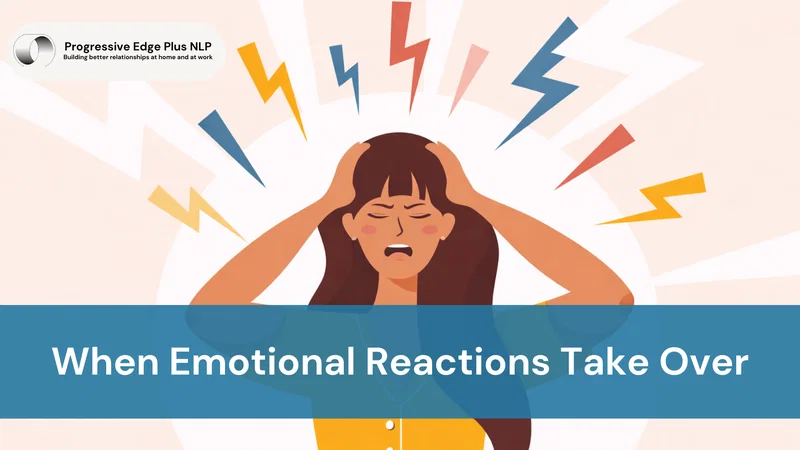
When emotional reactions take over, people often respond defensively, withdraw, or escalate the conflict. Both partners may leave the conversation feeling hurt or misunderstood.
In my work with couples, we focus on helping each person become aware of these emotional patterns and learning how to respond to them in healthier ways.

Using a combination of communication strategies, NLP-based techniques, and trauma-informed approaches when appropriate, I help individuals release the emotional charge connected to past experiences so those reactions no longer control their present interactions.
When emotional triggers are understood and resolved, couples begin to experience something very important: emotional safety.
Instead of reacting automatically, partners can pause, reflect, and respond more thoughtfully.
This creates calmer conversations, greater understanding, and far fewer conflicts.
The value for couples is significant.
They no longer feel trapped in emotional reactions they cannot control. Arguments become less frequent and less intense. Partners begin to feel supported rather than threatened by difficult conversations.
This shift allows relationships to move from emotional volatility toward stability and trust.