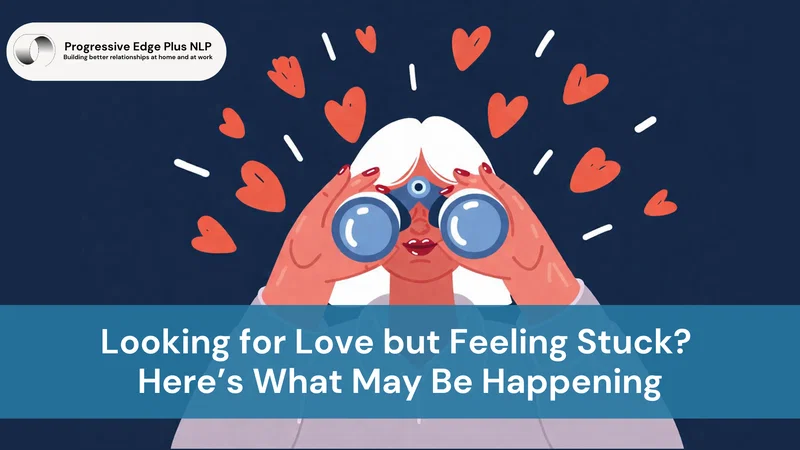
Many people who want a relationship are surprised to discover that part of them may also be protecting them from one.
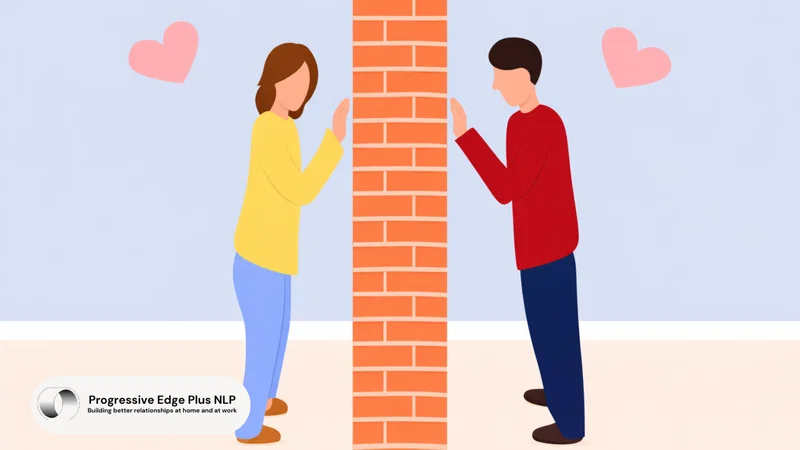
Emotional barriers can develop when someone has experienced disappointment, betrayal, rejection, or loss in the past. These experiences can create protective responses that help someone avoid being hurt again.
For example, someone may unconsciously keep emotional distance even when they care about someone. Others may hesitate to trust or may feel anxious about whether a relationship will last.
These reactions are not signs of weakness. They are often protective strategies the mind developed to keep someone safe during earlier difficult experiences.
However, when these protective patterns remain active, they can unintentionally block the deeper connection someone truly desires.
In my work with individuals, we gently explore these emotional barriers and where they may have originated. When appropriate, I use approaches such as NLP and trauma-informed techniques that help release the emotional charge connected to past experiences.
The goal is not to relive the past but to help people move beyond it so that those experiences no longer shape their present relationships.
As emotional barriers soften, people often notice a powerful shift.
They feel more comfortable being open and authentic. Trust becomes easier. Relationships feel less stressful and more natural.
The value of this work is that people begin approaching relationships from a place of confidence and emotional freedom rather than protection.
When that shift occurs, the kinds of relationships people attract often change as well.